A Partnership to Strengthen Local Expertise
GeneLabs X together with the U.S. Embassy in Sri Lanka, organised the Bioinformatics for Genomic Medicine 2025 training programme, connecting local professionals with international expertise to strengthen the country’s capacity in genomic medicine.
Conducted under the Embassy Science Fellow programme, the initiative brought Dr. Shurjo Sen from the National Institutes of Health (NIH), USA, to Sri Lanka to lead the workshop. A Program Director at the National Human Genome Research Institute (NHGRI), Dr. Sen brought scientific expertise and a collaborative approach that united participants from different professional backgrounds.
The programme built on Sri Lanka’s existing strengths in genetics, molecular diagnostics and research, addressing an increasingly important need: the ability to translate complex genomic data into information that can support patient care.
Why Bioinformatics Matters
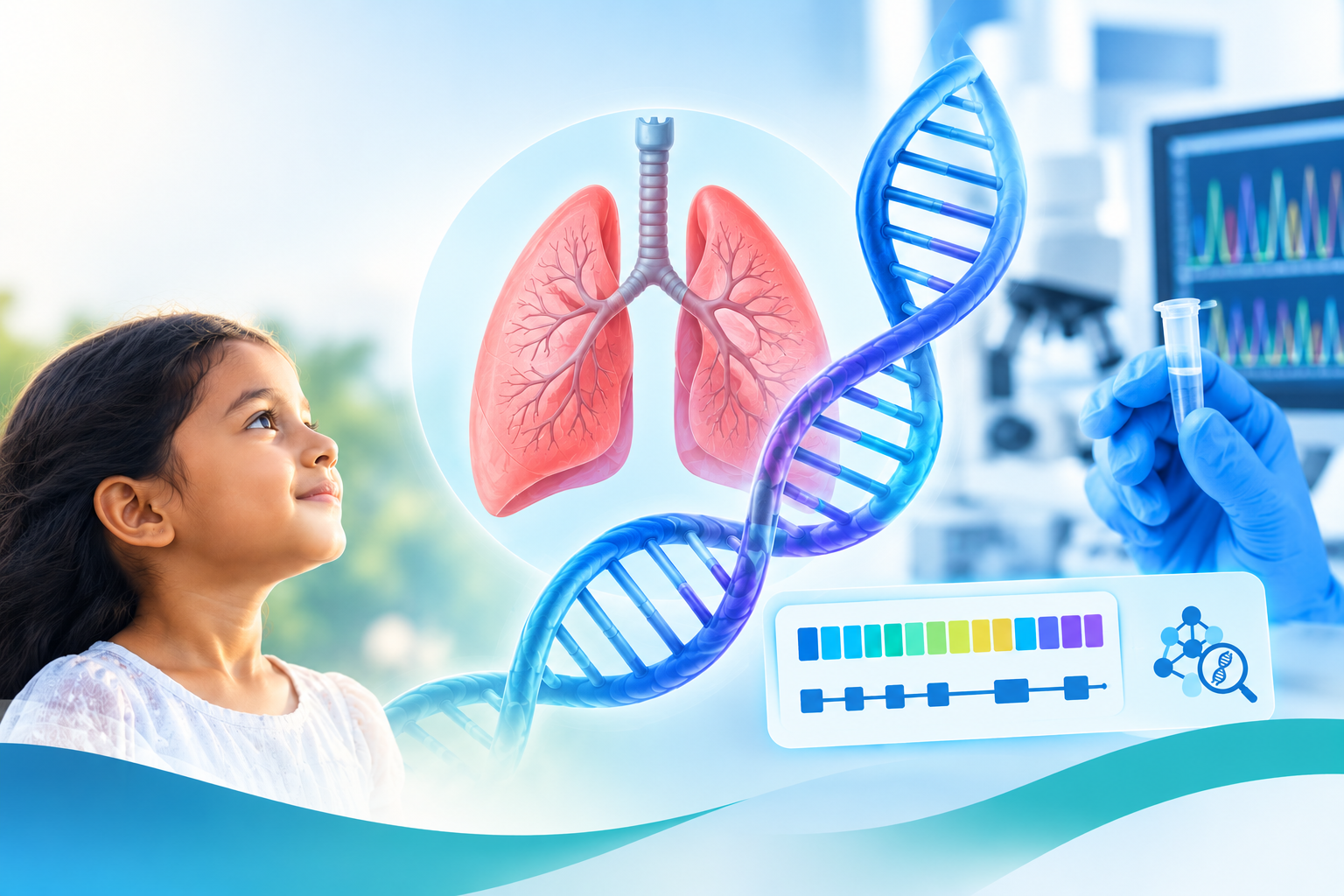
Modern genetic technologies, including whole-exome sequencing and whole-genome sequencing, can examine vast amounts of a person’s DNA. These tests offer opportunities to investigate rare and previously unexplained conditions.
However, sequencing alone does not provide an answer. The resulting data must undergo quality assessment, computational analysis and careful interpretation. Genetic changes must be evaluated alongside the patient’s symptoms, family history and available scientific evidence.
Bioinformatics connects these steps, helping scientists and clinicians distinguish potentially meaningful findings from the many genetic differences present in every individual.
Bringing Disciplines Together
A defining strength of the programme was its interdisciplinary approach. Clinicians, laboratory scientists, bioinformaticians, computer scientists, researchers and trainees from across Sri Lanka came together to learn and exchange ideas.
Each group contributed a different perspective. Clinicians brought questions arising from patient care; computer scientists contributed computational expertise; and laboratory scientists and bioinformaticians connected these capabilities to genetic testing and interpretation.
Participants also engaged with internationally recognised experts, including Dr. Eric Green, Dr. Teri Manolio, Dr. Les Biesecker and Dr. Vinod Scaria. These interactions offered insights into both current practice and the future direction of genomic medicine.
Practical Skills and Lasting Connections
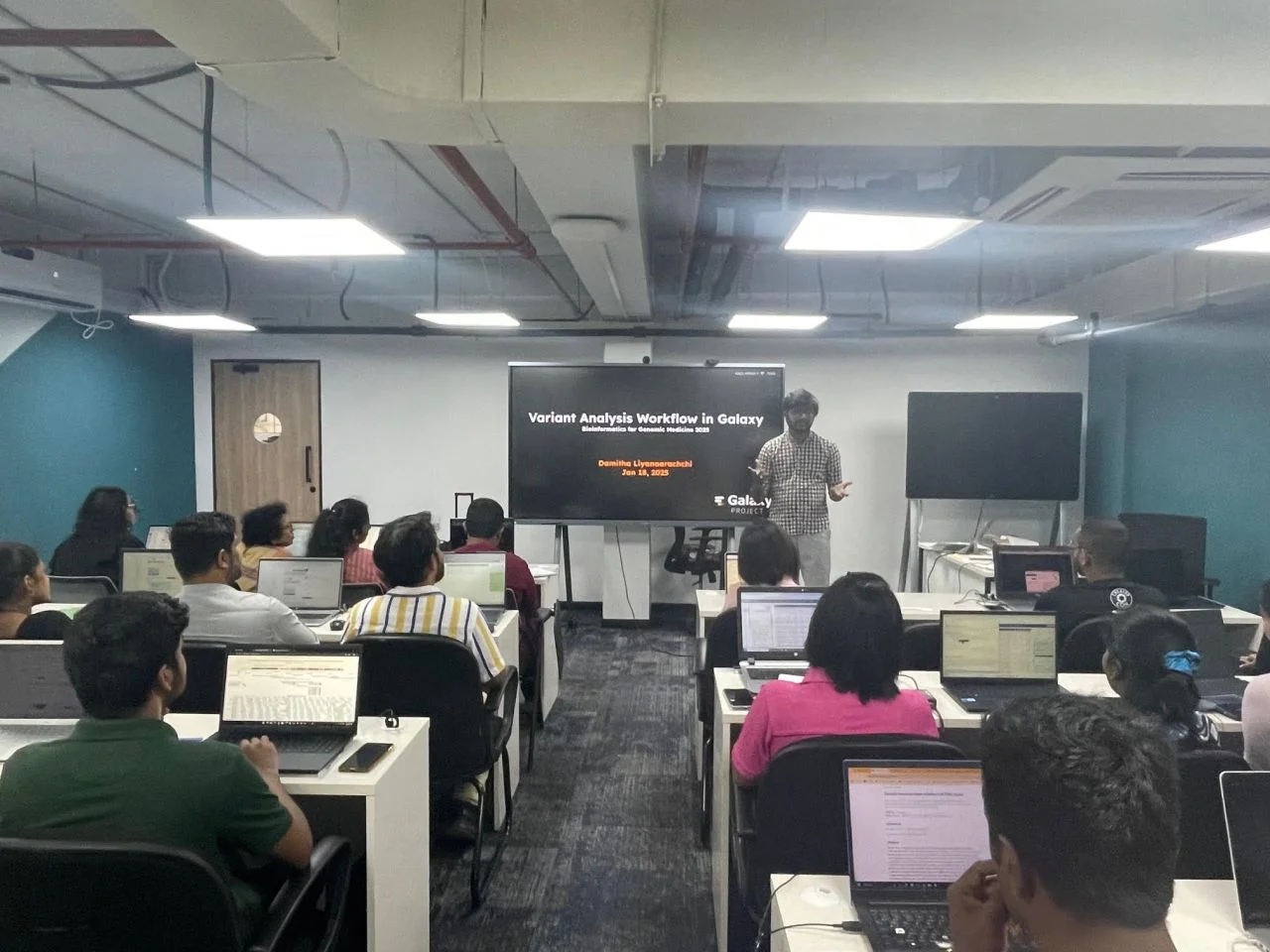
The programme combined expert-led sessions with hands-on training in genomic analysis, cloud-based computing and variant interpretation. Working with analytical tools and workflows helped participants connect theoretical concepts with the practical challenges of analysing sequencing data.
Genelabs contributed scientific personnel, resources and logistical support to the initiative. Local mentors and organisers also played an important role in bringing the programme together.
Beyond the scheduled sessions, the programme established a network for continued discussion, collaboration and mentorship. These connections supported deeper conversations about complex genetic findings and the reasoning behind internationally recognised interpretation guidelines.
Turning Learning into Clinical Practice
The programme’s value extended beyond the workshop. The knowledge and collaborations developed through the initiative contributed to the expansion of whole-exome and whole-genome analysis at Genelabs.
Hundreds of clinical genomic tests have since been analysed across rare childhood and adult conditions, including epilepsy, neurodevelopmental disorders and familial diseases.
For patients and families, identifying a molecular cause can help explain an otherwise unexplained condition, inform clinical management and surveillance, and support reproductive counselling and testing of relatives where appropriate.
Building Capacity for the Future
The initiative demonstrated that advancing genomic medicine requires more than access to sequencing technology. It depends on skilled people, reliable analytical processes and collaboration across disciplines.
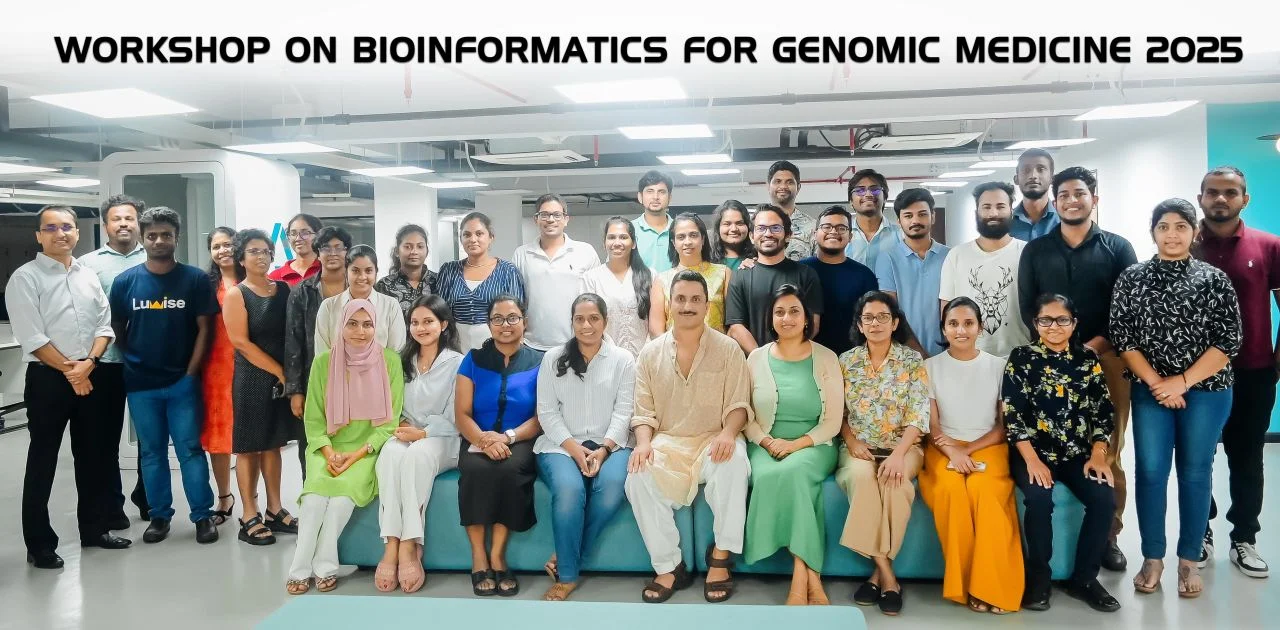
By bringing NIH expertise to Sri Lanka through a partnership between Genelabs and the U.S. Embassy, the programme helped connect international knowledge with local clinical needs. Its lasting contribution lies in how participants continue to apply that knowledge—in research, laboratory practice and the search for answers for patients and families.
Written by
Damitha Liyanaarachchi
Bioinformatics Scientist